
Professional Perspectives from Anastasia Walhovd: Studying up on Archaeological Resource Crime
September 2, 2024
In 1979, the Archaeological Resources Protection Act (ARPA) was passed. The law’s intention is to protect archaeological sites on Federal and Tribal land. The people who steward and care for the land that these sites are on have the responsibility to uphold the law when they see ARPA violations. The Save History campaign educates the…

Archaeological Resource Crime in Montana: Training the Professionals
August 14, 2024
The Save History Crew led a 40-hour training on the Archaeological Resources Protection Act (ARPA) for cultural resource managers and law enforcement at the Bureau of Indian Affairs office in Billings, Montana this past July. We had about 30 students in attendance with professionals working with Federal Agencies and Tribes coming from states such as…
An Early Leader for the Archaeological Resources Protection Act – In Memoriam: Martin Edward McAllister
August 6, 2024
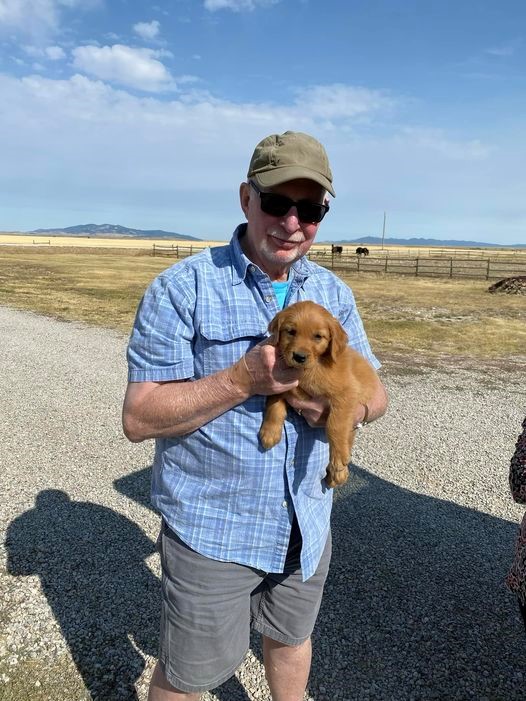
Martin McAllister died at his home in Missoula, Montana on April 8, 2024. He was 75. For those even peripherally involved in the preservation of this nation’s cultural heritage resources for the past half century, Martin’s name and fame are widely known. It was my pleasure to meet Martin in 1993 when I was a…

A New Start? Understanding the Latest NAGPRA Regulations – Full Text
June 18, 2024
The following is the full version of this article. An abbreviated article is available here. NAGPRA, the Native American Graves Protection and Repatriation Act, was passed on November 16, 1990, and includes criminal penalties for persons who traffic in Native American Human Remains and Cultural Items (all defined under the Act). The law was further…
A New Start? Understanding the Latest NAGPRA Regulations – Abbreviated Version
June 18, 2024
This is an abbreviated version of the full text available here. NAGPRA, the Native American Graves Protection and Repatriation Act, was passed on November 16, 1990, and includes criminal penalties for persons who traffic in Native American Human Remains and Cultural Items. Section 3 of the law established a new way of dealing with items…
Call for Indigenous Artists & Illustrators: Oklahoma Children’s Activity Book
March 28, 2024
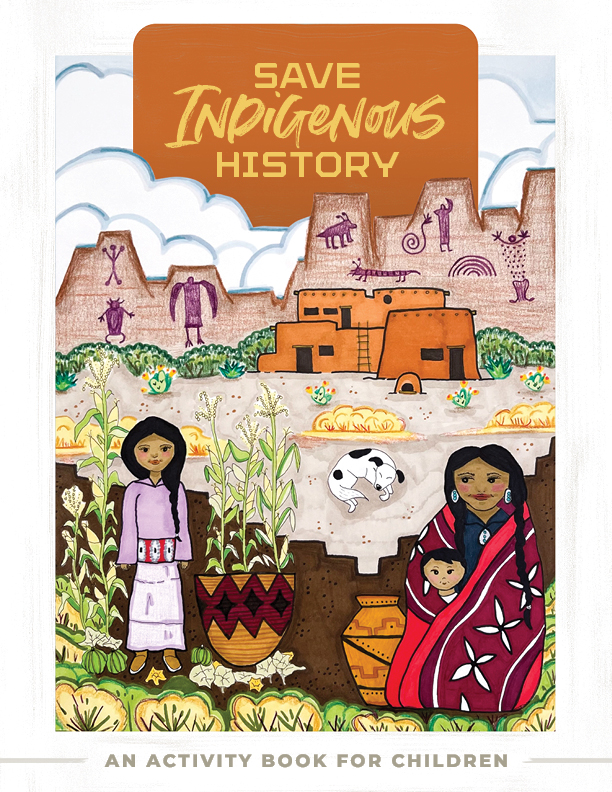
Save History is seeking five Indigenous artists who belong to Oklahoma-based Tribal Nations (must be U.S. citizens) to illustrate Save Indigenous History: A Children’s Activity Book—Oklahoma Edition. This book will be shared on SaveHistory.org, in print, and on Save History social media. What is Save History? Save History is a collaborative effort by Tribal organizations,…