


Stop Crimes Against History on Tribal Lands
The theft of history
Almost all major archaeological sites in the Southwest have been looted or vandalized. This destruction is a crime—often a felony—when it occurs on Tribal or public lands.
Ancient sites and artifacts are a bridge to Native American history, heritage, and identity. These culturally significant places cannot be replaced once they are damaged or desecrated.
What we do
In response to this growing threat, we bring together archaeologists, Tribal partners, federal agencies, law enforcement, and community organizations to stop crimes against history. Our goal is twofold: to encourage people to report recent looting or vandalism at archaeological sites and to share stories from Indigenous elders, leaders, and stewards about why these destructive acts must stop.
How you can help
Listening is the first and most important step to understanding why archaeological sites matter. We present stories from Tribal citizens who care about these places—and who want you to care too. By listening and sharing stories, we can change our society’s attitudes about how to protect ancient sites.
If you see a site being desecrated or know someone who commits crimes against history, please report through our confidential tipline.
The reward of saving history
When stolen artifacts are returned to their rightful owners, it is cause for celebration. Cultural traditions can continue, sacred places are preserved for future generations, and we can appreciate and learn from Native American history.
When you help bring looters to justice, you do more than save history. You promote security, community, and Tribal sovereignty.
How you can help save our history
Text a tip to 1-833-ENDLOOT to report a crime against history to law enforcement. Save History offers up to $10,000 for information about recent archaeological looting and vandalism.

Call 1-833-ENDLOOT to report information about recent looting, vandalism, or trafficking to law enforcement.
Never confront a looter or vandal in the act. Relocate to a safe place and call 911.

Start a conversation. Many people are not aware of the significance of ancient sites and cultural items to Indigenous communities. Explore Stories from Tribal stewards about why history matters.
Be an advocate for the protection of sacred places.
Submit a confidential tip
quickly and easily. You are not required to reveal your identity. Click here to fill out the form.
Have Questions, Comments, or
Your Own Story to Share?
Send us a message at [email protected].
We’d love to hear from you!
How you can help save our history
Text a tip to 1-833-ENDLOOT to report a crime against history to law enforcement. Save History offers up to $10,000 for information about recent looting or vandalism.
Call 1-833-ENDLOOT to report information about recent looting, vandalism, or trafficking to law enforcement.
Never confront a looter or vandal in the act. Relocate to a safe place and call 911.
Submit a confidential tip
quickly and easily through this website. You are not required to reveal your.
identity. Click here to fill out the form.
Start a conversation. Many people are not aware of the significance of ancient sites and cultural items to Indigenous communities. Explore Stories from Tribal stewards about why history matters.
Be an advocate for the protection of sacred places.
Have Questions, Comments, or
Your Own Story to Share?
Send us a message at [email protected].
We’d love to hear from you!
Stories from Tribal Stewards
Learn how ancient places confirm traditional teachings, encourage multi-generational learning, and stimulate conversations in Indigenous communities.

We are proud to partner with Tribal and nonprofit organizations dedicated to preserving and protecting American history.



Who is SaveHistory.Org and why do we need your help?
SaveHistory.Org is a collaborative effort of Tribal organizations, archaeologists, federal and state law enforcement, and countless supporters dedicated to ending the theft and destruction of archaeological resources on Tribal and public lands.
Latest news
Archaeology in Action: Inspiring the Next Generation Through LEGO
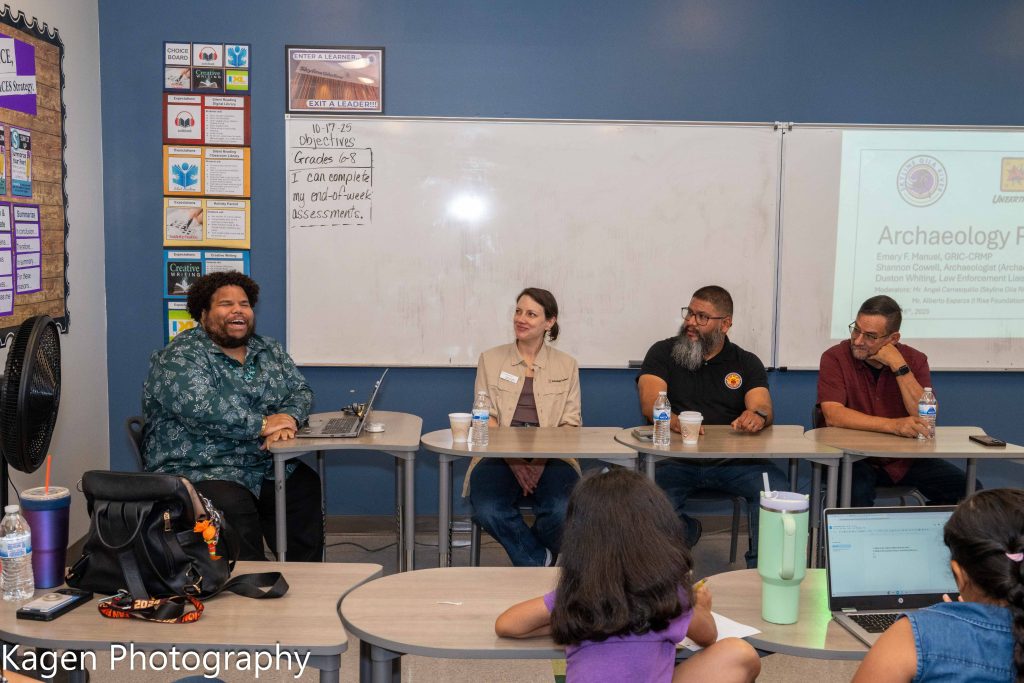
This year, the FIRST LEGO League introduced the UNEARTHED theme, challenging students to find solutions to real-world problems in archaeology. At Save History, we were eager to support several schools in exploring current issues in archaeology, including Skyline Gila River School here in Arizona and schools as far-flung as Illinois, Iowa, New York, Oklahoma, Oregon,…
Celebrating the Launch of the Yakama Nation Activity Book!
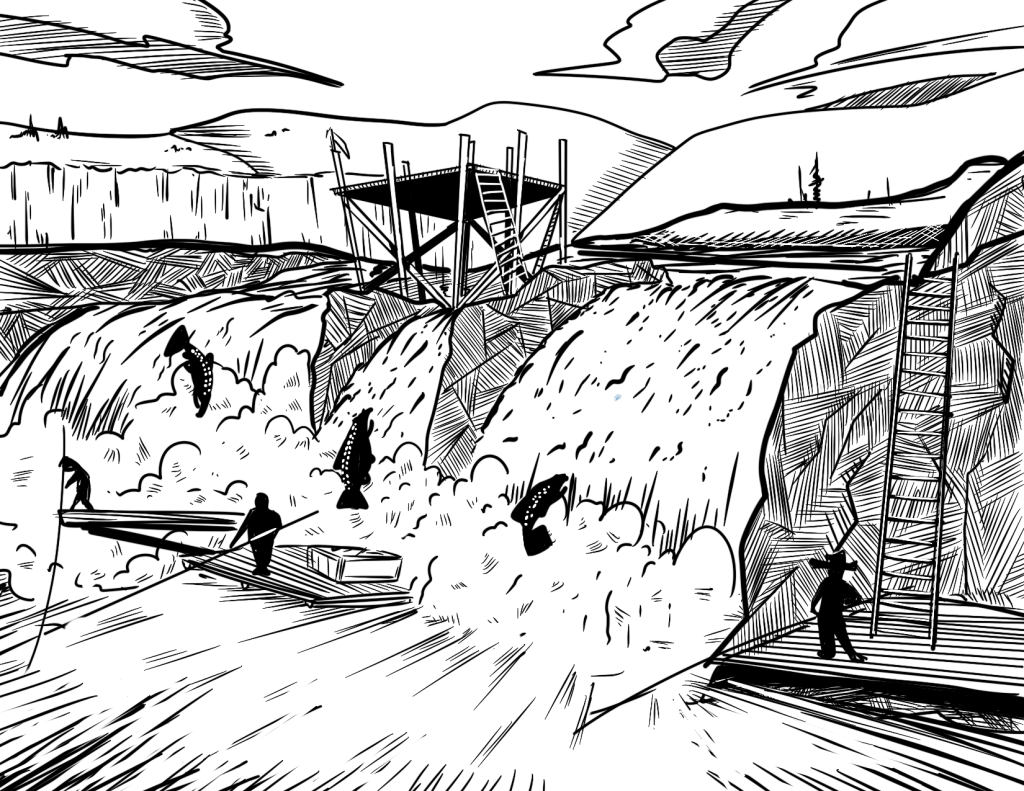
SaveHistory.org, our collaborators, including the Yakama Nation are proud to present the latest edition of the children’s activity book: Save Indigenous History – Yakama Nation Collaboration. About the Book Protecting cultural heritage starts with education. The Save Indigenous History activity books give children and families meaningful ways to learn about archaeological sites and the…
Modern and Vintage Public Service Announcements: Indigenous and Archaeological Perspectives
Stewardship of the land isn’t some new-fangled idea—it has been around since time immemorial. It is also the cornerstone of SaveHistory.org’s campaign to eliminate archaeological resource crime from Tribal and federal lands. With this in mind, the team at SaveHistory.org combed YouTube to find out how similar campaigns tried to reach the hearts and minds…
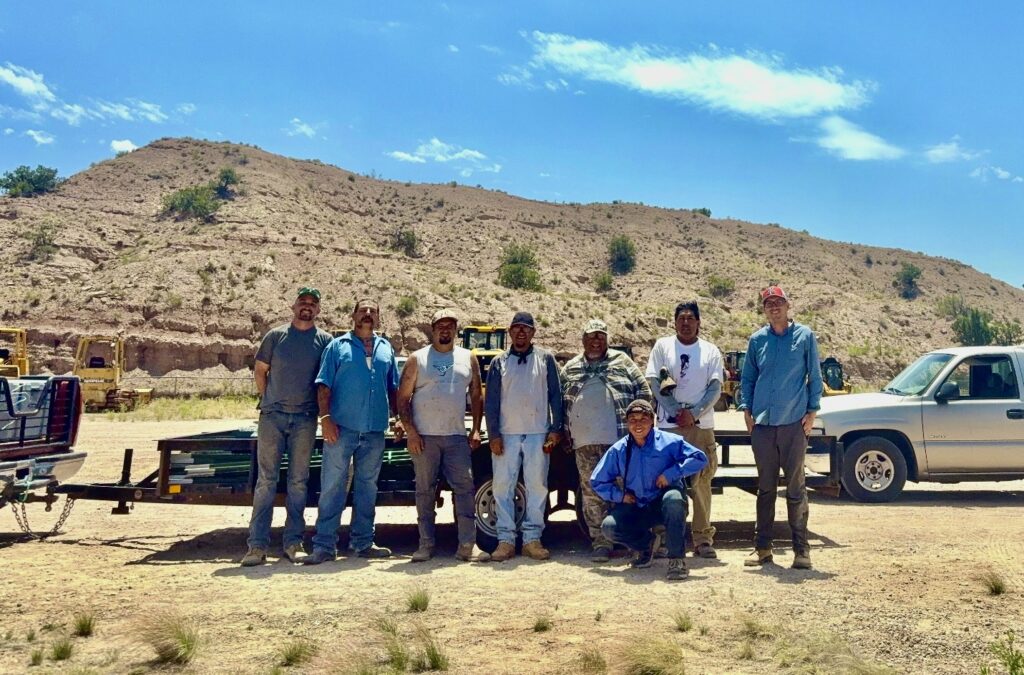
Safeguarding the Heart of P’osuwäegeh’ówîngeh: A Collaborative Effort to Protect the Pueblo of Pojoaque’s Sacred Places
By Fermin Lopez (Pueblo of Pojoaque, THPO), Michael Spears (MOS Research, LLC), and Sean O’Meara (MOS Research, LLC) June 24, 2025 In the heart of the verdant northern Rio Grande Valley lies the Pueblo of Pojoaque, which is known in Tewa as P’osuwäegeh’ówîngeh, meaning “Water Drinking Village.” The Pueblo has a rich living cultural heritage…
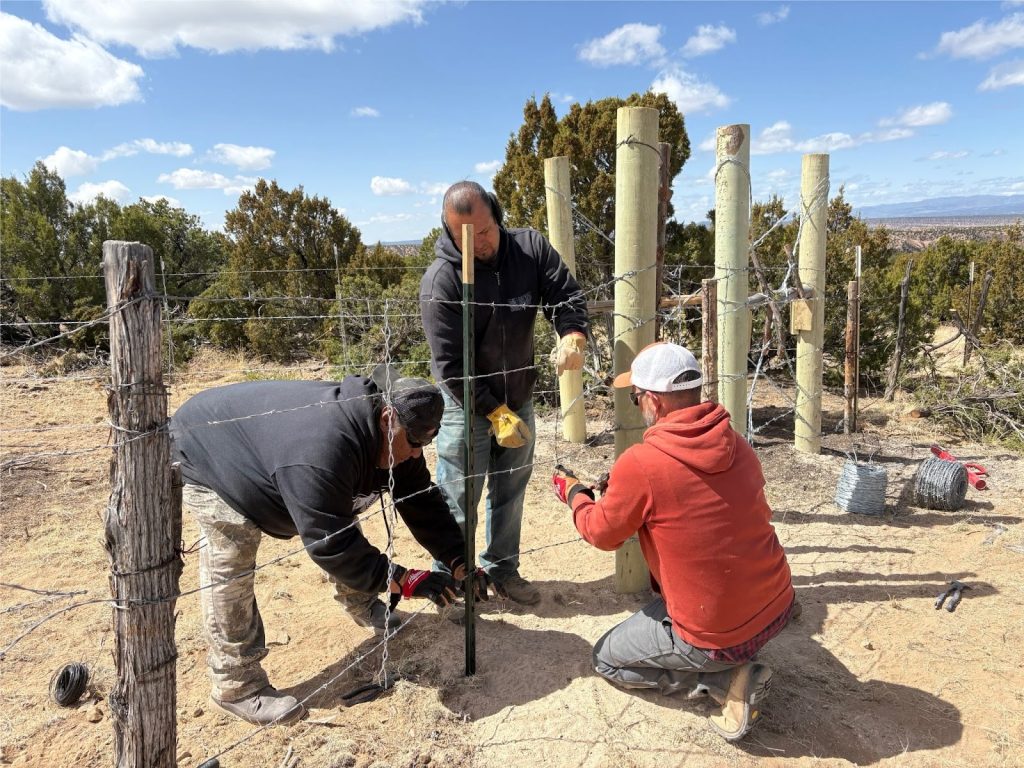
Protecting Ancestral Lands: Nanbé Owingeh Installs Fence to Safeguard an Ancestral Pueblo
By Sean O’Meara and Michael Spears, Principal Investigators at MOS Research, LLC April 15, 2025 The Pueblo of Nambé recently completed an important site protection project at one of their ancestral Pueblos with support from the Bureau of Indian Affairs and Archaeology Southwest’s Save History & ARPA Assistance Initiative. For decades, this ancestral Pueblo had…

Of Their Own Choosing: Helping Tribes Develop Cultural Preservation Laws
This blog is part two of a two-part series highlighting burial and cultural property law templates drafted to support Tribal Nations’ protection of their heritage on their lands. This second blog focuses on burial and cultural property preservation laws and Tribes. If you’d like to read about Tribal sovereignty, self-determination, and self-governance as general legal…
A Brief Introduction to Tribal Sovereignty
This blog is part one of a two-part series highlighting burial and cultural property law templates drafted to support Tribal Nations’ protection of their heritage on their lands. This first blog focuses on Tribal sovereignty, self-determination, and self-governance as general legal concepts here in the United States. If you’d like to read about burial and…
Call for Artists – New Children’s Activity Book with Yakama Nation
Call for Indigenous Artists & Illustrators Save History and the Yakama Nation are seeking up to five Indigenous artists with a preference for artists from the Yakama Nation and Pacific Northwest Tribes (must be U.S. citizens) to illustrate a Children’s Activity Book. The book will be shared on SaveHistory.org, in print, and on Save History…
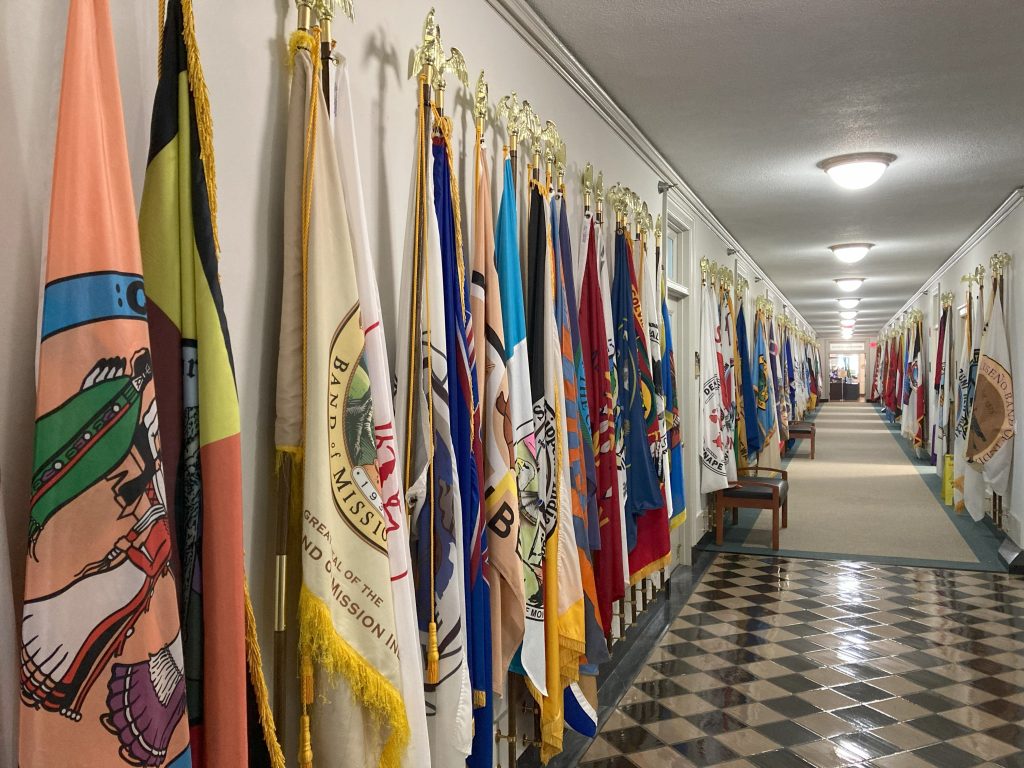
Native American Mural Art and Native American Heritage Month
By Anastasia Walhovd, Preservation Archaeologist and Save History Staff Member Save History is a collaboration of archaeologists, law enforcement, and the Bureau of Indian Affairs to end archaeological resource crime on Tribal lands. This work brings our staff to Tribal lands across the United States, and recently we had the rare pleasure of visiting Washington…
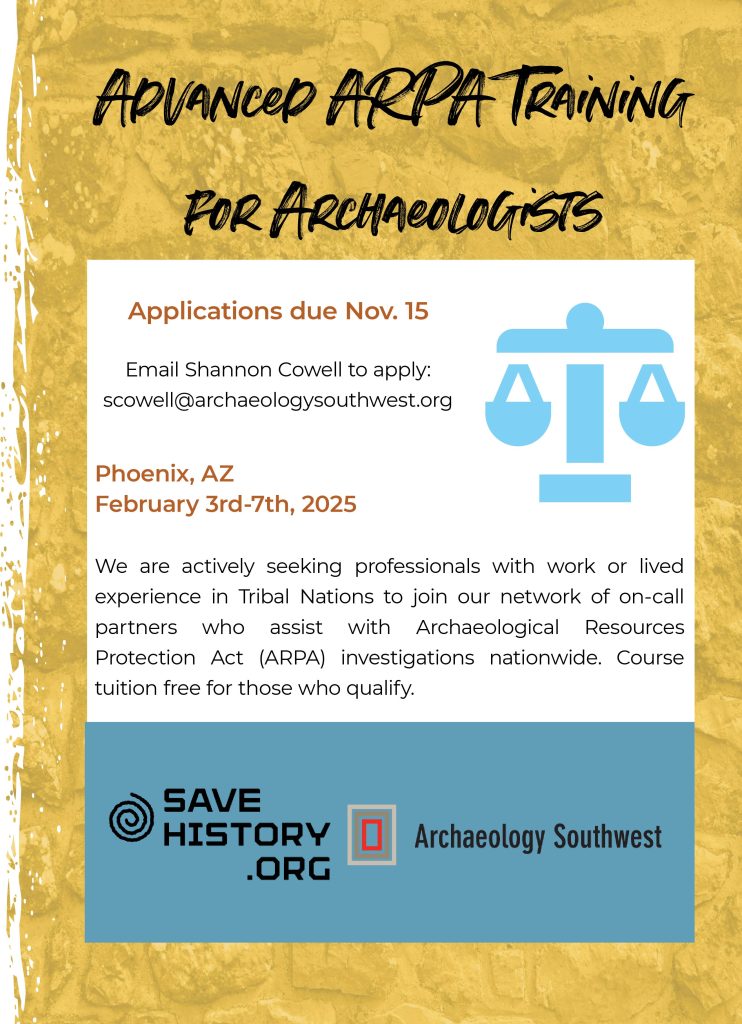
Advanced ARPA Training for Archaeologists – Apply by Nov. 15th, 2024
We are excited to offer an advanced ARPA (Archaeological Resources Protection Act) damage assessment training in Phoenix, February 3–7, 2025. This advanced training is designed for archaeologists who will lead damage assessments. We are actively seeking professionals with work or lived experience in Tribal Nations to join our network of on-call partners who assist with…
Professional Perspectives from Bill Kurtz: Studying up on Archaeological Resource Crime
In 1979, the Archaeological Resources Protection Act (ARPA) was passed. The law’s intention is to protect archaeological sites on Federal and Tribal land. The people who steward and care for the land that these sites are on have the responsibility to uphold the law when they see ARPA violations. The Save History campaign educates the…
Professional Perspectives from Skylar Begay: Studying up on Archaeological Resource Crime
In 1979, the Archaeological Resources Protection Act (ARPA) was passed. The law’s intention is to protect archaeological sites on Federal and Tribal land. The people who steward and care for the land that these sites are on have the responsibility to uphold the law when they see ARPA violations. The Save History campaign educates the…
Professional Perspectives from Anastasia Walhovd: Studying up on Archaeological Resource Crime
In 1979, the Archaeological Resources Protection Act (ARPA) was passed. The law’s intention is to protect archaeological sites on Federal and Tribal land. The people who steward and care for the land that these sites are on have the responsibility to uphold the law when they see ARPA violations. The Save History campaign educates the…

Archaeological Resource Crime in Montana: Training the Professionals
The Save History Crew led a 40-hour training on the Archaeological Resources Protection Act (ARPA) for cultural resource managers and law enforcement at the Bureau of Indian Affairs office in Billings, Montana this past July. We had about 30 students in attendance with professionals working with Federal Agencies and Tribes coming from states such as…
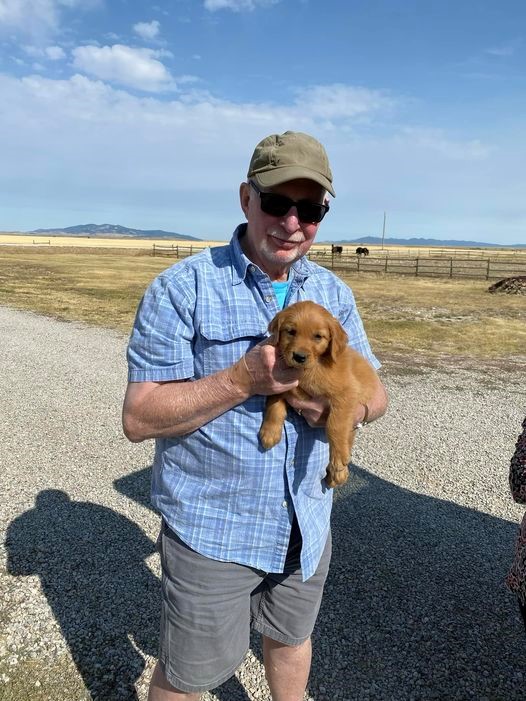
An Early Leader for the Archaeological Resources Protection Act – In Memoriam: Martin Edward McAllister
Martin McAllister died at his home in Missoula, Montana on April 8, 2024. He was 75. For those even peripherally involved in the preservation of this nation’s cultural heritage resources for the past half century, Martin’s name and fame are widely known. It was my pleasure to meet Martin in 1993 when I was a…

A New Start? Understanding the Latest NAGPRA Regulations – Full Text
The following is the full version of this article. An abbreviated article is available here. NAGPRA, the Native American Graves Protection and Repatriation Act, was passed on November 16, 1990, and includes criminal penalties for persons who traffic in Native American Human Remains and Cultural Items (all defined under the Act). The law was further…
A New Start? Understanding the Latest NAGPRA Regulations – Abbreviated Version
This is an abbreviated version of the full text available here. NAGPRA, the Native American Graves Protection and Repatriation Act, was passed on November 16, 1990, and includes criminal penalties for persons who traffic in Native American Human Remains and Cultural Items. Section 3 of the law established a new way of dealing with items…
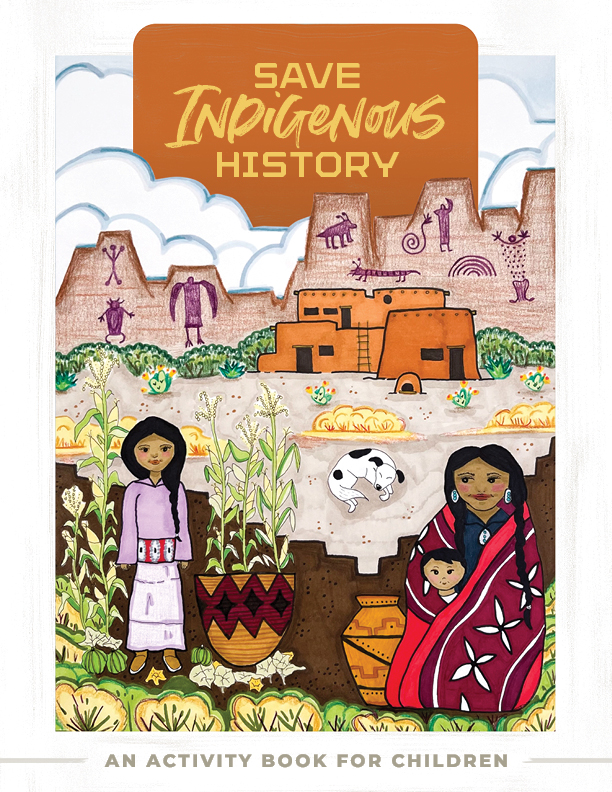
Call for Indigenous Artists & Illustrators: Oklahoma Children’s Activity Book
Save History is seeking five Indigenous artists who belong to Oklahoma-based Tribal Nations (must be U.S. citizens) to illustrate Save Indigenous History: A Children’s Activity Book—Oklahoma Edition. This book will be shared on SaveHistory.org, in print, and on Save History social media. What is Save History? Save History is a collaborative effort by Tribal organizations,…
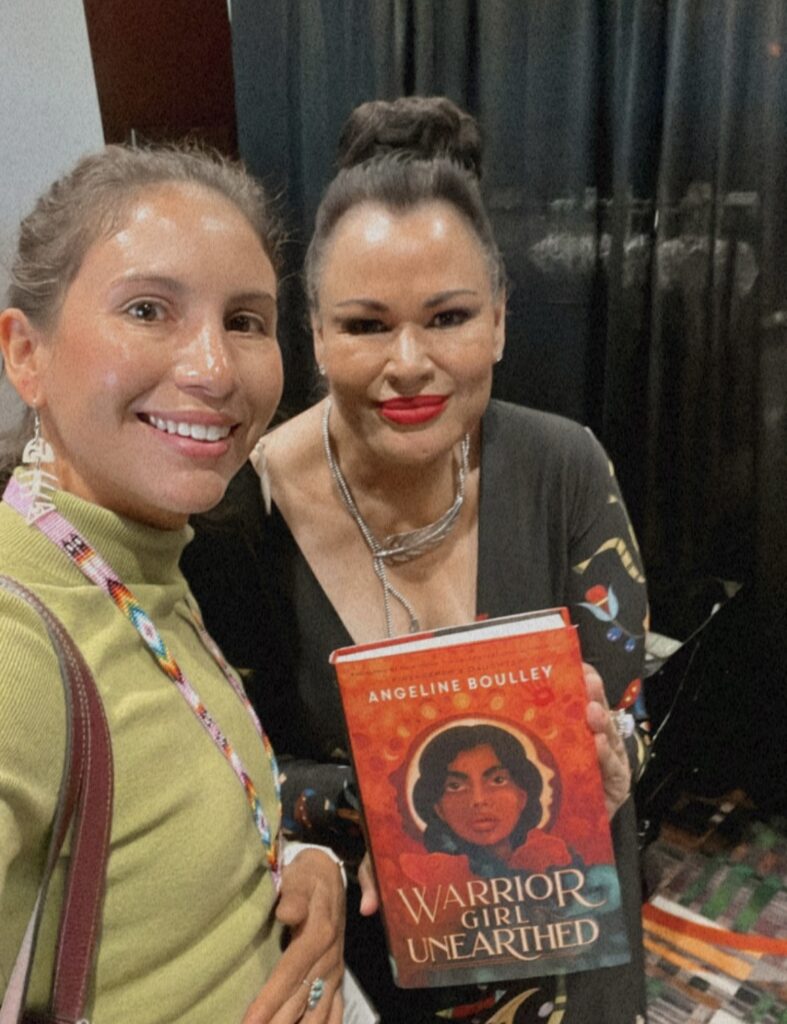
Warrior Girl Unearthed: Book Review
Ashleigh and Angeline Boulley pose with the author’s latest novel, Warrior Girl Unearthed. Warrior Girl Unearthed by acclaimed Ojibwe author Angeline Boulley is a young adult novel set in Anishinaabe land of northern Michigan. This young adult novel introduces us to Perry Firekeeper-Birch, a spirited 16-year-old who embarks on a summer adventure unlike any…
Artists’ Reflections on Save Indigenous History: An Activity Book for Children
We are excited to announce the release of Save Indigenous History: An Activity Book for Children. This 30 page book is full of activities, coloring pages, and educational material that teach kids about respectful visitation of archaeological sites. Five talented Indigenous artists illustrated many of the pictures for this project, including: Xenia Berejnoi (Yaqui Yoeme…
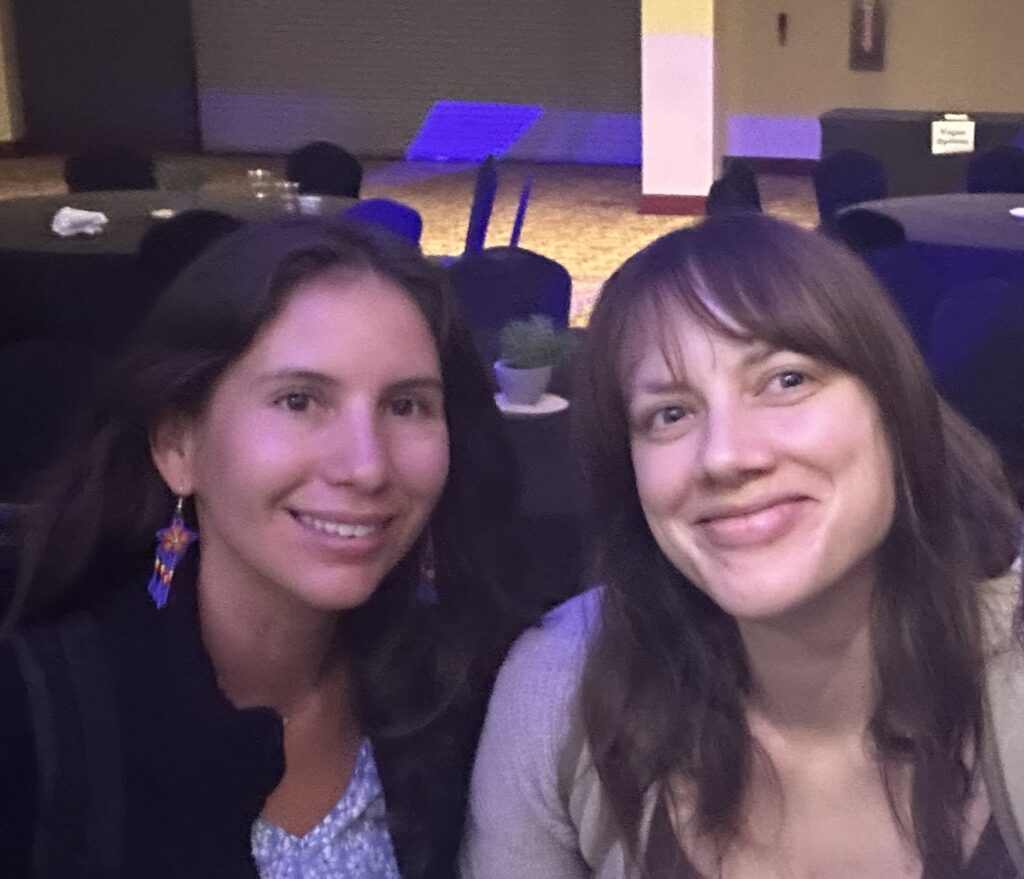
Building a New Fire: Reflections from the Repatriation Conference
Ashleigh and Shannon at the 9th Annual Repatriation Conference hosted by the Citizen Potawatomi Nation at the Grand Casino Hotel and Resort, Shawnee. From November 7–9, 2023, the Save History team attended the 9th Annual Repatriation Conference hosted by the Association on American Indian Affairs and the Citizen Potawatomi Nation in Shawnee, Oklahoma. Attendees included…
Native American Heritage Month: Respecting Cultural Sites
Happy Native American Heritage Month! This November, we are releasing a video series about respecting Indigenous places of cultural and spiritual significance. First, we hear from Barnaby Lewis, Gila River Indian Community Tribal Historic Preservation Officer. He discusses the impacts development has on cultural resources, as well as the lack of justice when people…

Call for Indigenous Artists and Illustrators: Save History Children’s Activity Book
Save History is seeking up to five Indigenous artists (must be U.S. citizens) to illustrate a Children’s Activity Book. The book will be shared on SaveHistory.org, in print, and on Save History social media channels. What is Save History? Save History is a collaborative effort by Tribal organizations, archaeologists, federal and Tribal law enforcement, and…
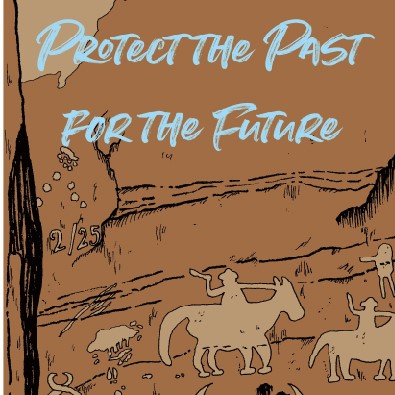
Protect the Past for the Future: Comic Launch and Artist Interview with Kayla Shaggy
Kayla Shaggy is a Diné and Anishinaabe multimedia artist, who, in her own words, “really loves making comics.” Kayla’s resume is impressive. She illustrated for Unsolved Mysteries on Netflix. She also did cultural consultation for Navajo characters for INTERIOR/NIGHT, an award-winning video game studio. Because of her skill, background, and belonging to Indigenous communities, the…
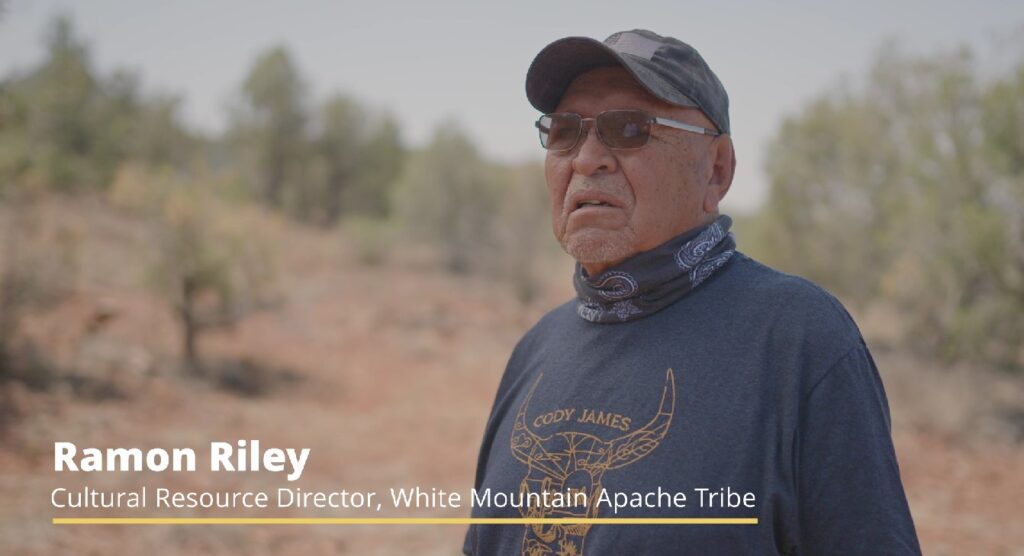
White Mountain Apache Perspectives on Protection and Healing at Ancestral Sites
Ndee (Western Apache) communities often avoid ancestral sites and places associated with the past out of respect. Ndee communities demonstrate such respect in the form of avoidance to protect both community members and archaeological sites from potential harm. Most importantly, avoidance helps maintain Gózhó, a state of balance and harmony in the world. However, desecration,…
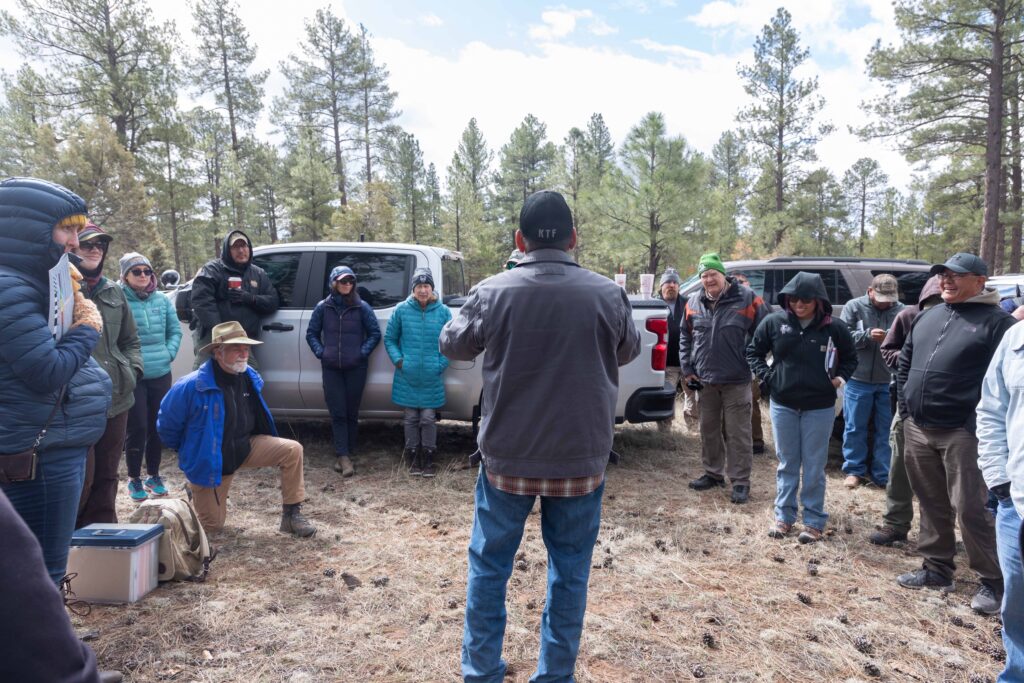
The Archaeological Resources Protection Act: A Collaborative Effort
Photo credit: Tyrel Iron Eyes The Archaeological Resource Protection Act (ARPA) protects archaeological resources on Tribal and federal lands and requires that archaeologists conduct a damage assessment. In order to conduct a damage assessment, land managers, archaeologists, and law enforcement collaborate to assess the damage. During this process, the vandalism or damage is recorded, mapped,…
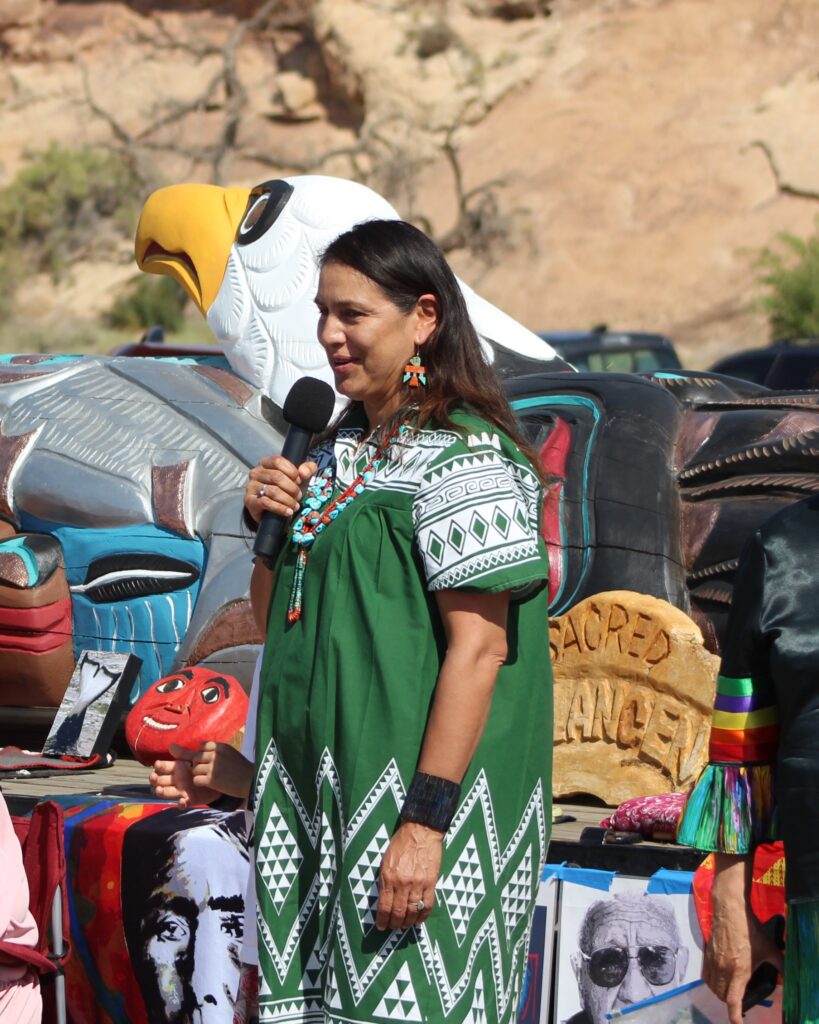
Healing Journeys: Dr. Doreen Bird on Reconnecting to Ancestral Places
Ashleigh Thompson, Director of Tribal Collaboration at Archaeology Southwest, interviewed Dr. Doreen Bird (Kewa Pueblo) about the importance of protecting cultural landscapes. Bio: Doreen Bird, PhD, MPH is from Kewa Pueblo, New Mexico. She has worked for the protection of sacred places such as Chaco Canyon in New Mexico, Bears Ears Monument in Utah, Mauna…
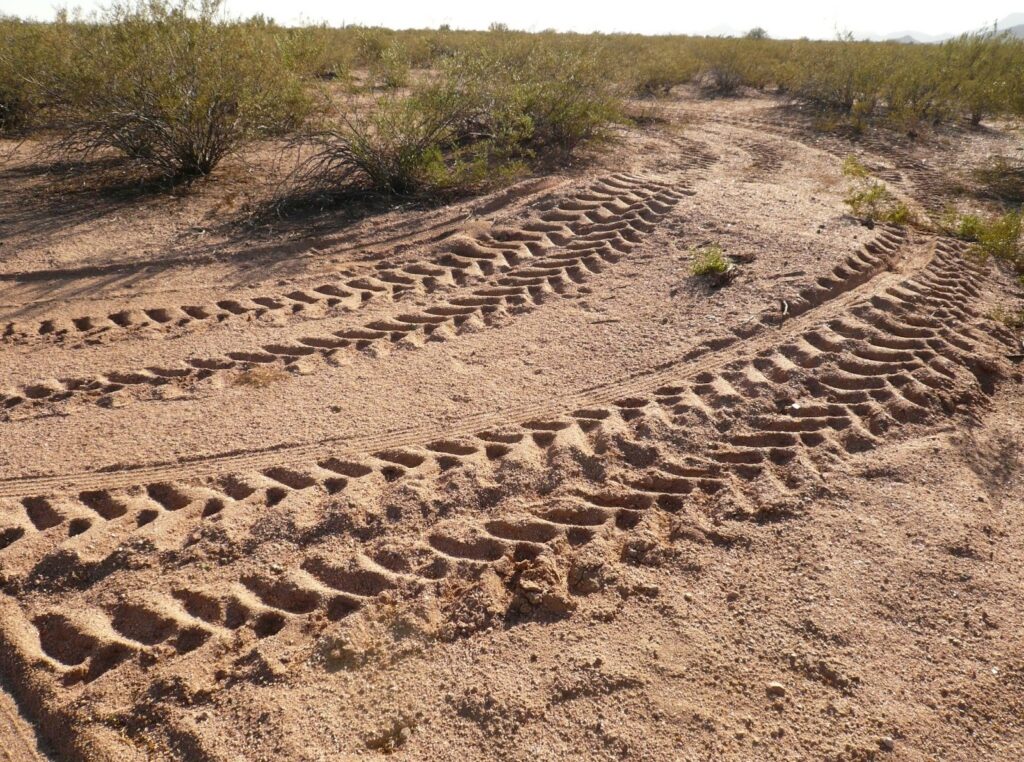
Heritage Resource Looting and Vandalism in Arizona: How Serious is the Problem?
Who We Are We are professional archaeologists and resource managers with career and organizational commitments to the protection and appropriate uses of heritage sites and objects—places and things inherited from the past and still valued today. The Arizona State Historic Preservation Office (SHPO) and Archaeology Southwest are dedicated to the proposition that archaeological and historical…
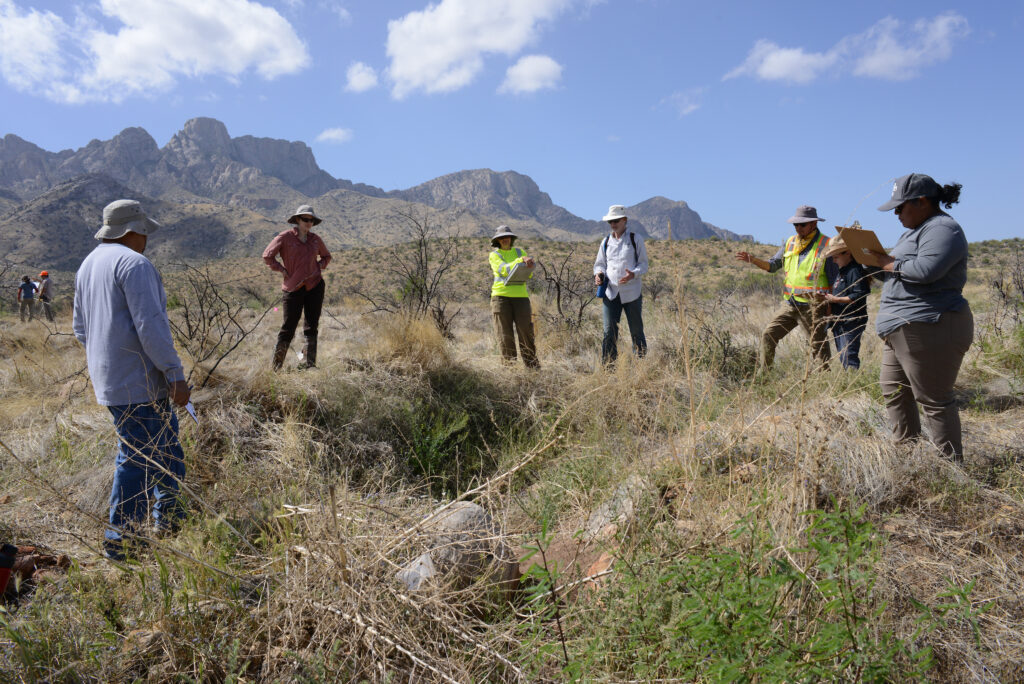
How to Visit Cultural Sites with Respect
Archaeological sites are fragile and non-renewable. The impacts of our visits to sites can add up to significant damage. But there are ways to appreciate these special places and preserve them for future generations. “I always stress respect. Everything is a sacred, living entity. Everything has a spirit… Every place you go should be…
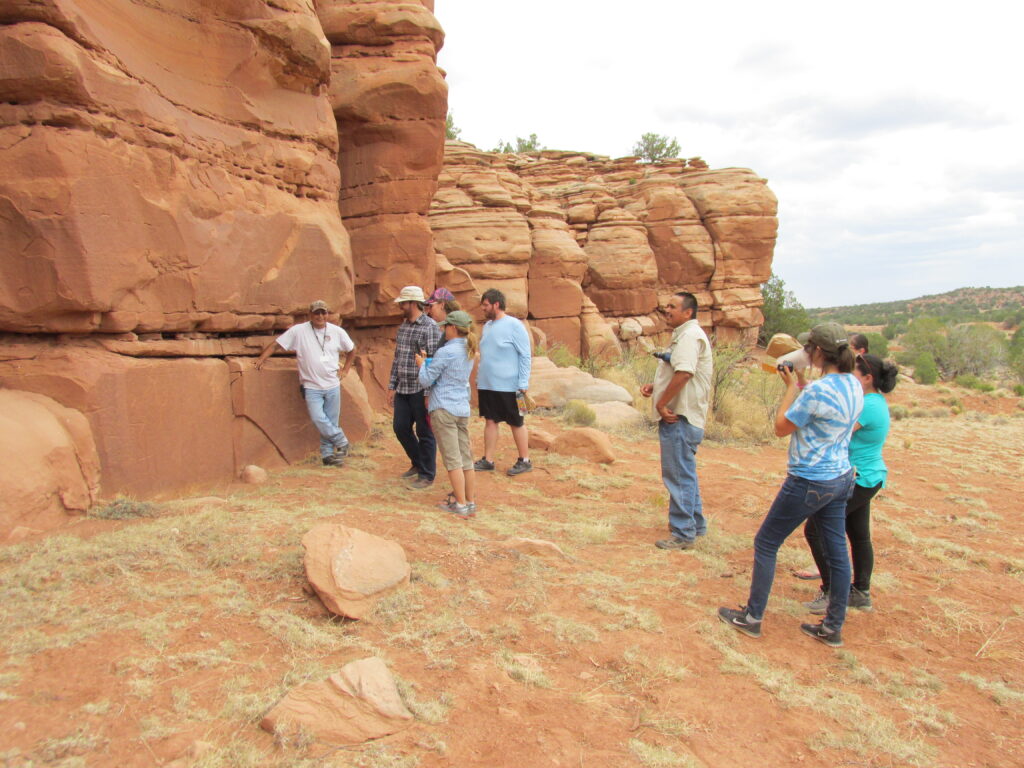
How Respect and Cultural Awareness Protect Archaeological Sites
“Archaeological sites being ‘abandoned’ doesn’t mean that they’re abandoned in the spiritual world. They are still a part of this culture. Tangible aspects were left there so that people don’t forget.” Kenny Bowekaty, as told to Stacy Ryan Kenny Bowekaty is from the Pueblo of Zuni and has worked as an archaeologist for…
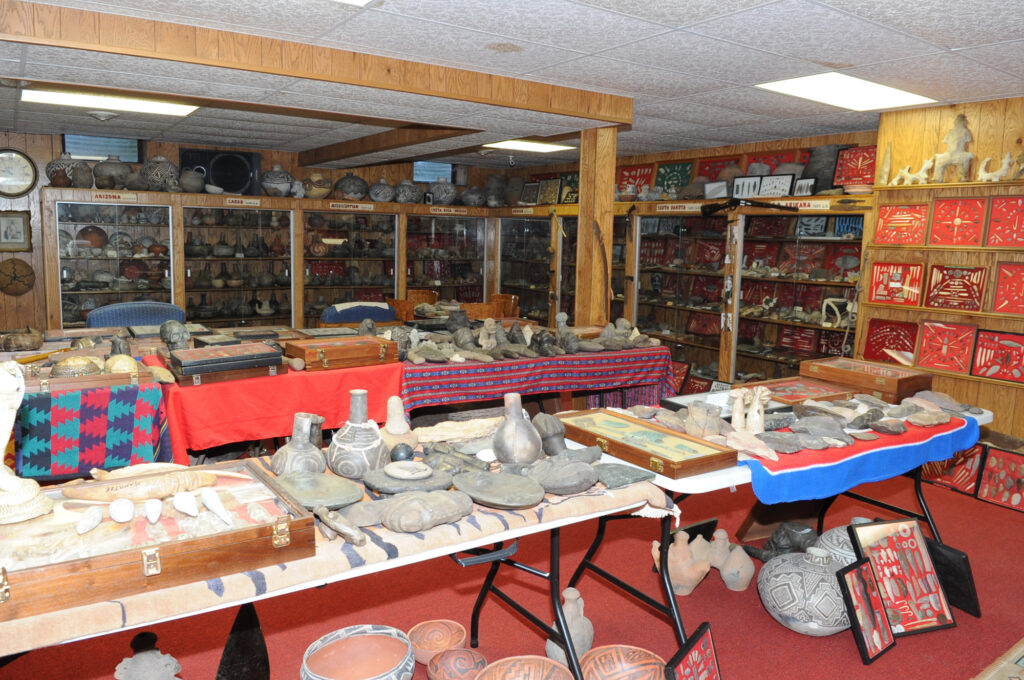
Repatriating Ancestors From a Missionary’s Basement
“Native people have been dealing with desecration of not only our homelands but our burials and our sacred places for ages and ages and ages. It’s nothing new to us.” Pete Coffey, as told to the Art Bust podcast By Shannon Cowell with Pete Coffey–One Feather In 2014, Pete Coffey–One Feather received gruesome…
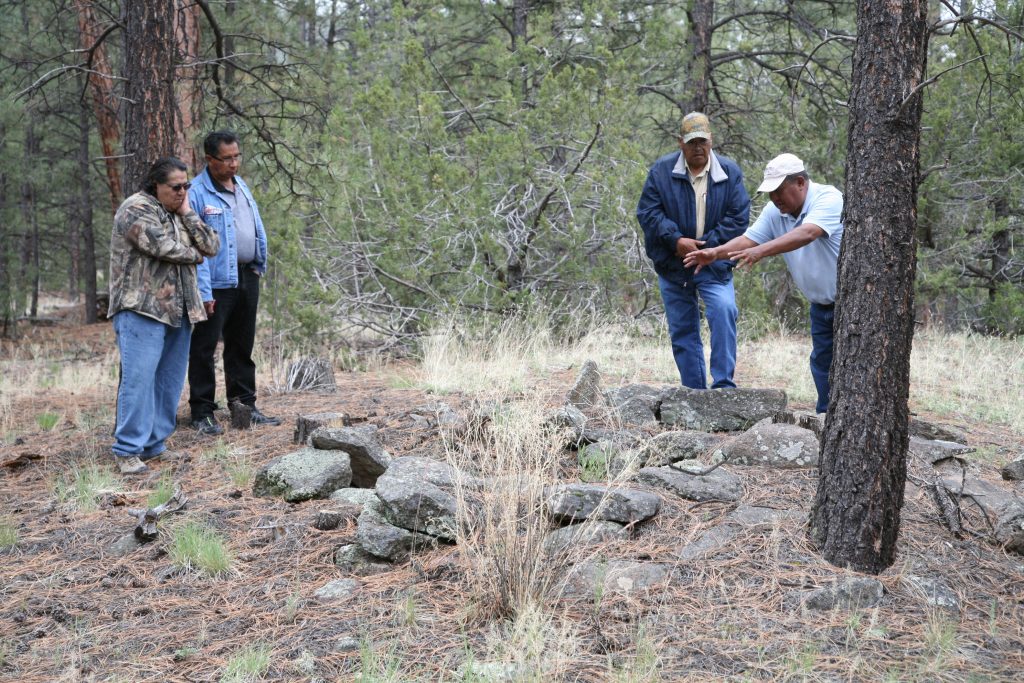
Archaeological Resource Crime is a Wicked Problem
Archaeological Resource Crime is a Wicked Problem John R. Welch, Landscape and Site Preservation Program Director People around the world agree that taking stuff that’s not theirs and digging up graves is wrong. So why do these wrongs keep happening? Why are they common, almost universal? Why have several generations of community leaders and law…
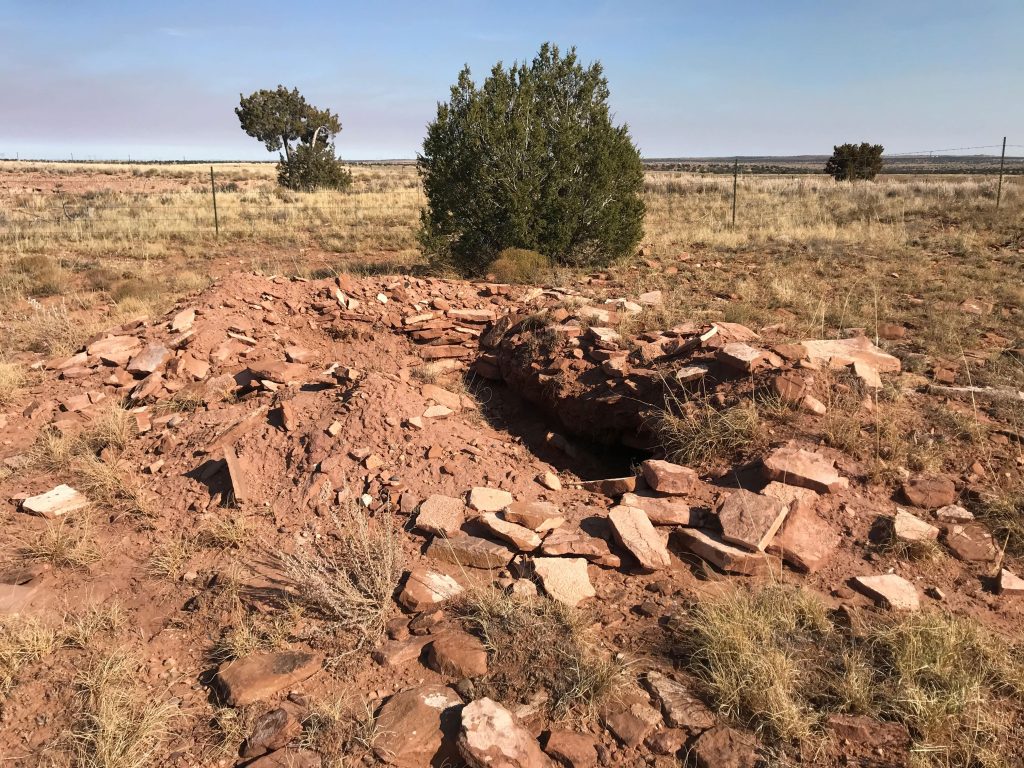
What Does a Crime Against History Look Like?
What Does a Crime Against History Look Like? Stacy Ryan, Preservation Archaeologist A crime against history, or an archaeological resource crime, refers to violations of the Archaeological Resources Protection Act. Prohibited acts include the theft, vandalism, and trafficking of cultural items and human remains that are at least 100 years of age. These acts are…
Support & join the movement

27 Tribes Served

35+ Sites Assessed